
Despite its reputation as a sunny paradise, Florida is facing a deepening financial storm that is leaving a vast majority of its residents struggling to survive. A recent analysis from the Georgetown Center on Poverty and Inequality reveals that 72 percent of Floridians are financially burdened by at least one of four basic necessities: housing, food, health care, and child care. This figure surpasses the national average, suggesting that the cost of living in the Sunshine State has become uniquely oppressive for those trying to maintain a basic standard of living.
Housing remains the most prominent hurdle, with 39 percent of Floridians spending a disproportionate amount of their income on rent or mortgages. The situation is particularly dire for renters and minority communities, who face significantly higher pressure than homeowners. According to local data, millions of residents are paying more than half of their gross income just to keep a roof over their heads, creating a precarious environment where one unexpected bill could lead to homelessness.
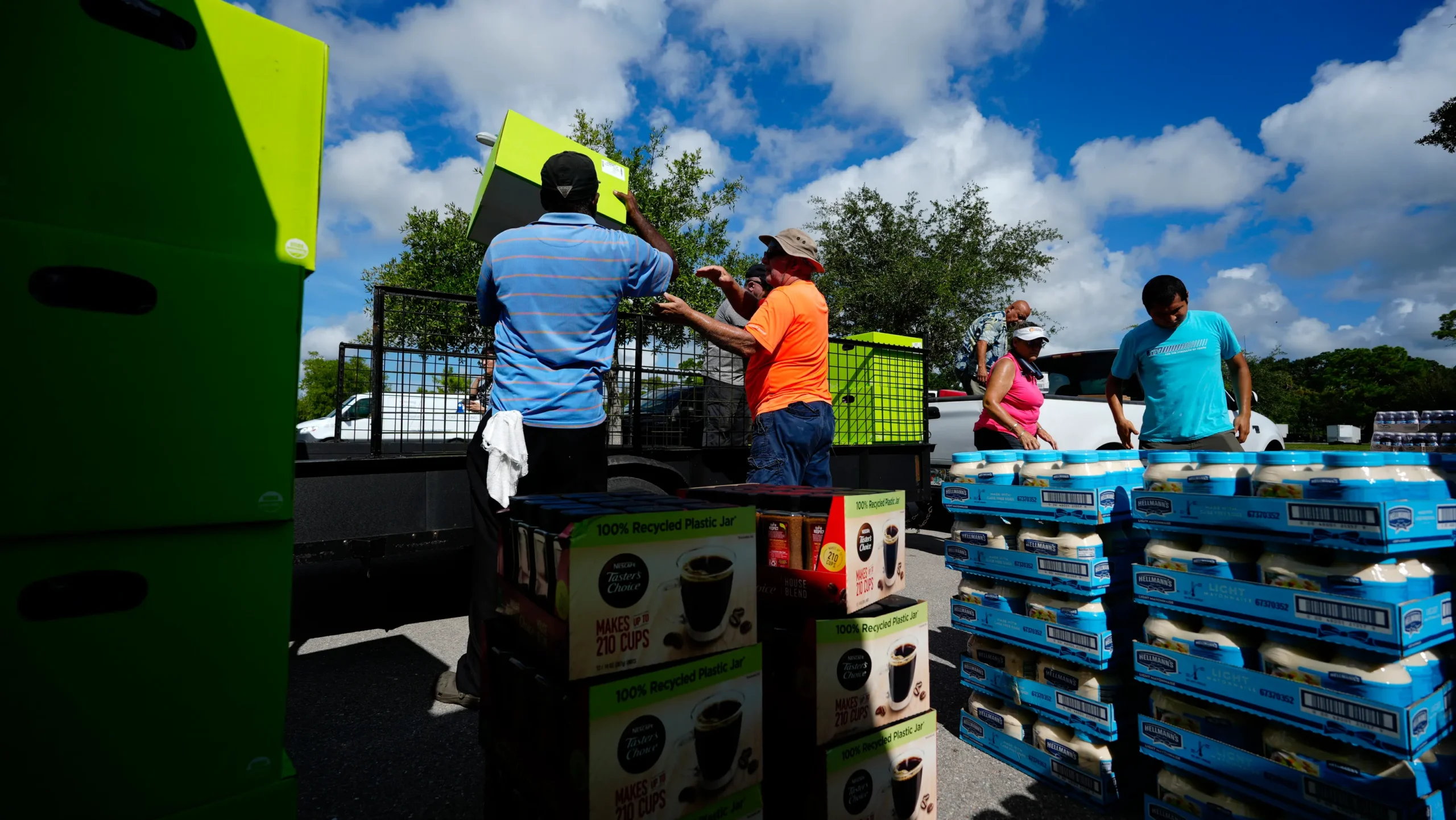
The squeeze extends far beyond shelter into other vital areas of life. Health care costs are straining nearly half of the state’s population, exacerbated by the expiration of federal subsidies that left hundreds of thousands without coverage earlier this year. Similarly, food insecurity is rising as grocery prices climb, leaving about 35 percent of households struggling to put meals on the table. Child care presents another massive obstacle; roughly 61 percent of families find it unaffordable, leading to a ripple effect that drains billions from the state’s economy as parents are forced out of the workforce.
Perhaps most alarming is that this crisis is not limited to those living below the poverty line. The study found that nearly half of middle-income families earning between 78 thousand and 110 thousand dollars per year are burdened by at least one essential cost. Experts note that while traditional poverty metrics capture some of this pain, they often overlook how these compounding expenses collide simultaneously within a single budget. For millions of hardworking Floridians across all income brackets, simply working full time is no longer enough to guarantee stability.